Announcing the Earthmover Data Marketplace: Subscribe to ARCO datasets from ECMWF, NOAA, and more. Explore the marketplace .
Category

Blog Post

33 posts

I/O-Maxing Tensors in the Cloud

I/O-Maxing Tensors in the Cloud

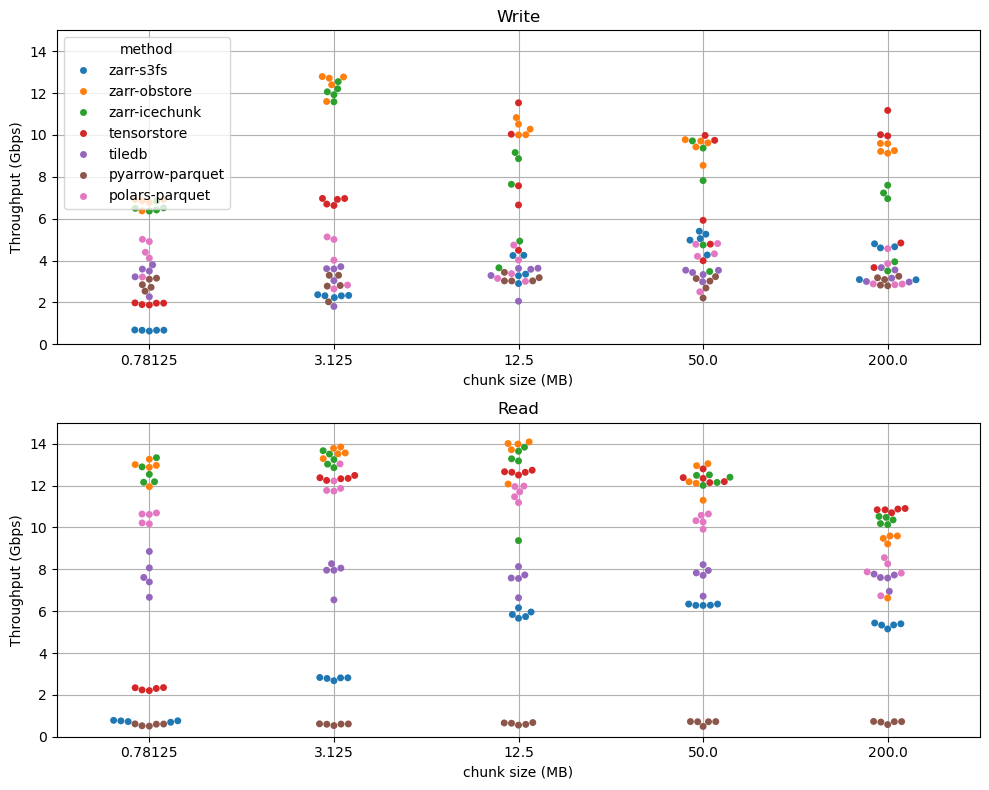
Zarr Python with Icechunk or Obstore now fully saturates the network between EC2 and S3, achieving the physically maximum possible throughput for reading and writing tensor data in the cloud. Benchmarks compare Zarr, Tensorstore, TileDB, and Parquet stacks across a range of chunk sizes and instance types.

Ryan Abernathey
Ryan Abernathey

CEO & Co-founder

Building the Future of Scientific Data at the Zarr Summit

Building the Future of Scientific Data at the Zarr Summit

Earthmover co-organizes the Zarr Summit in Rome, bringing together developers and adopters to advance the open-source cloud-native array format as adoption accelerates across major organizations like ESA, NASA, and NVIDIA.

Ryan Abernathey
Ryan Abernathey

CEO & Co-founder

Plotting NYC heatwaves during NYC Climate Week

Plotting NYC heatwaves during NYC Climate Week
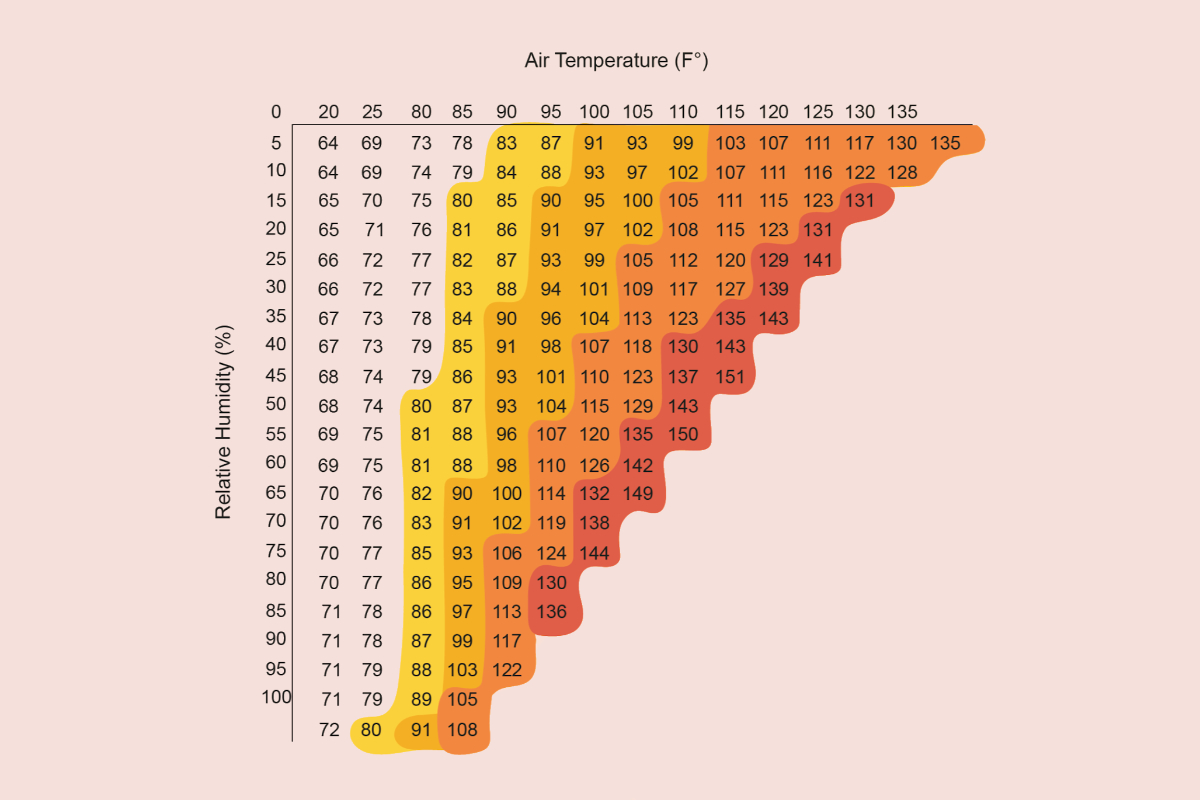
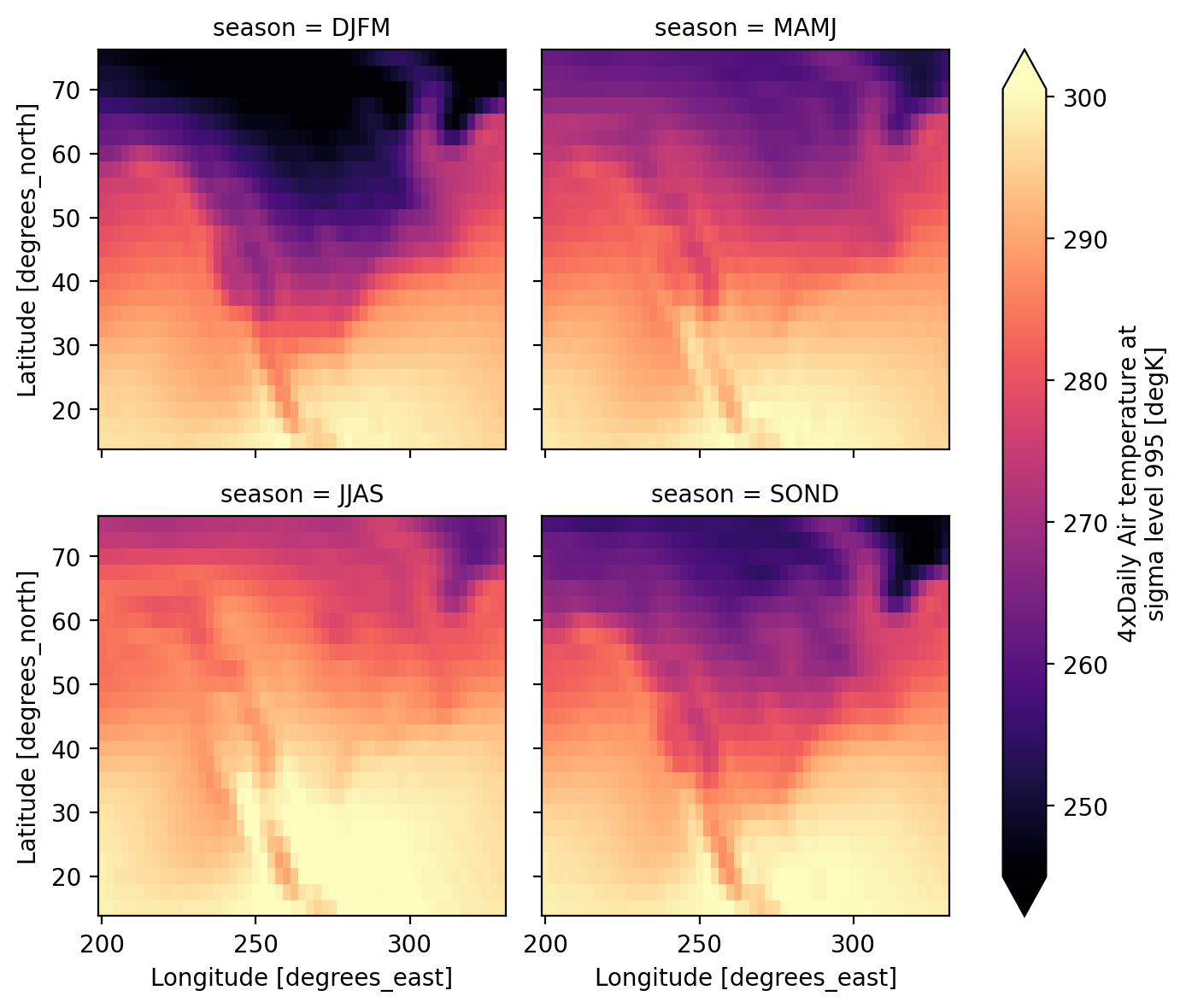
A hands-on walkthrough of calculating historical heatwave frequency over NYC using ERA5 reanalysis data on the Earthmover platform with Arraylake, Icechunk, Xarray, and open-source climate tools.
Tom Nicholas
Tom Nicholas

Software Engineer

Multi-Player Mode: Why Teams That Use Zarr Need Icechunk

Multi-Player Mode: Why Teams That Use Zarr Need Icechunk

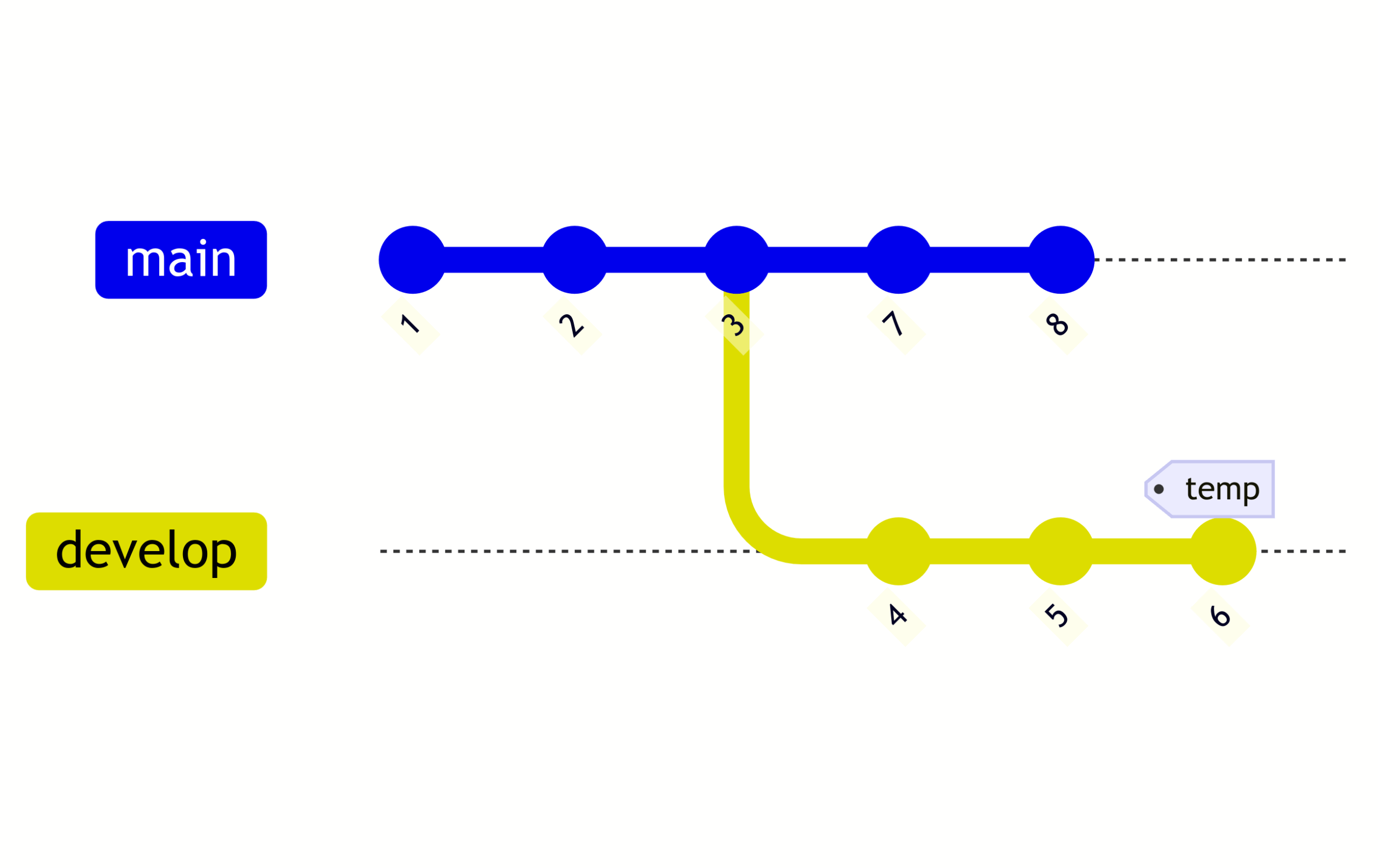
Zarr lacks built-in support for concurrent readers and writers, leading to inconsistent reads and conflicting writes in team settings. Icechunk solves this by adding atomic updates, consistent snapshots, and Git-like version control on top of Zarr.

Lindsey Nield
Lindsey Nield

Software Engineer

The Untapped Promise of Weather Radar Data

The Untapped Promise of Weather Radar Data

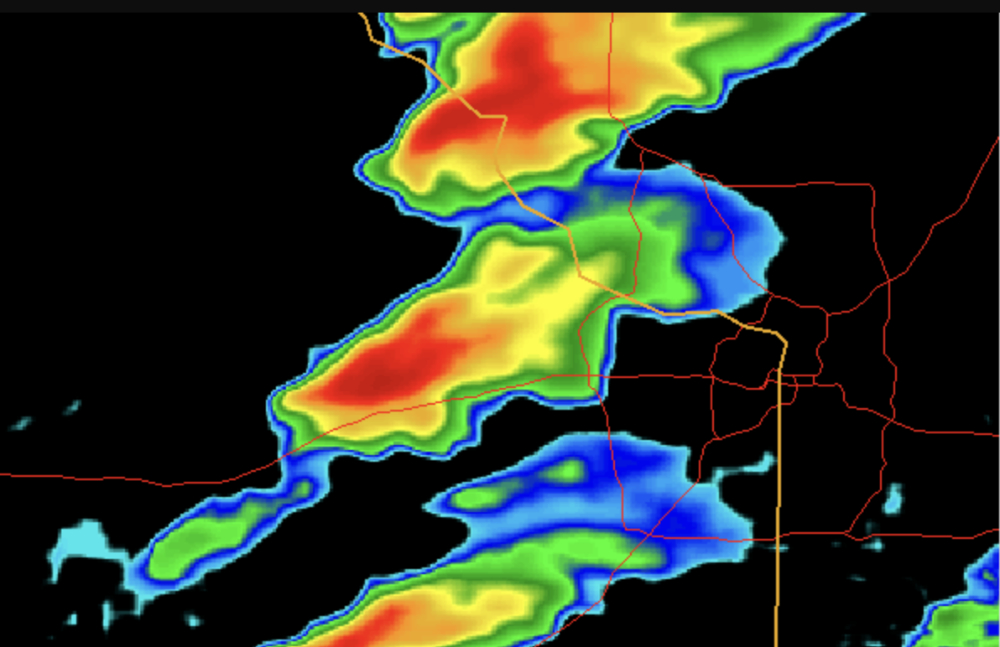
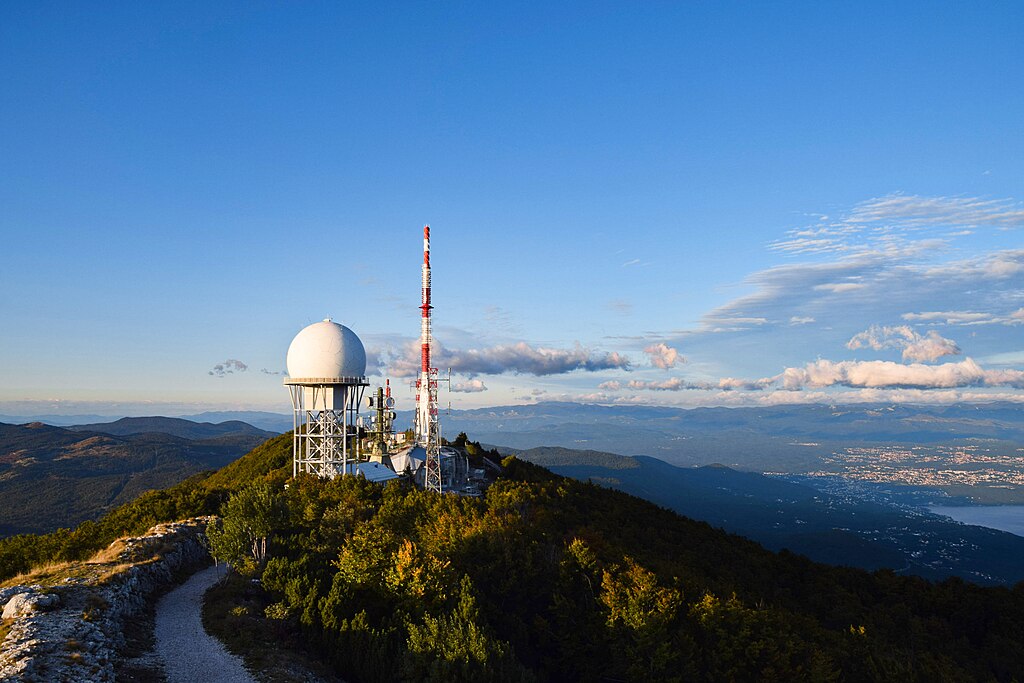
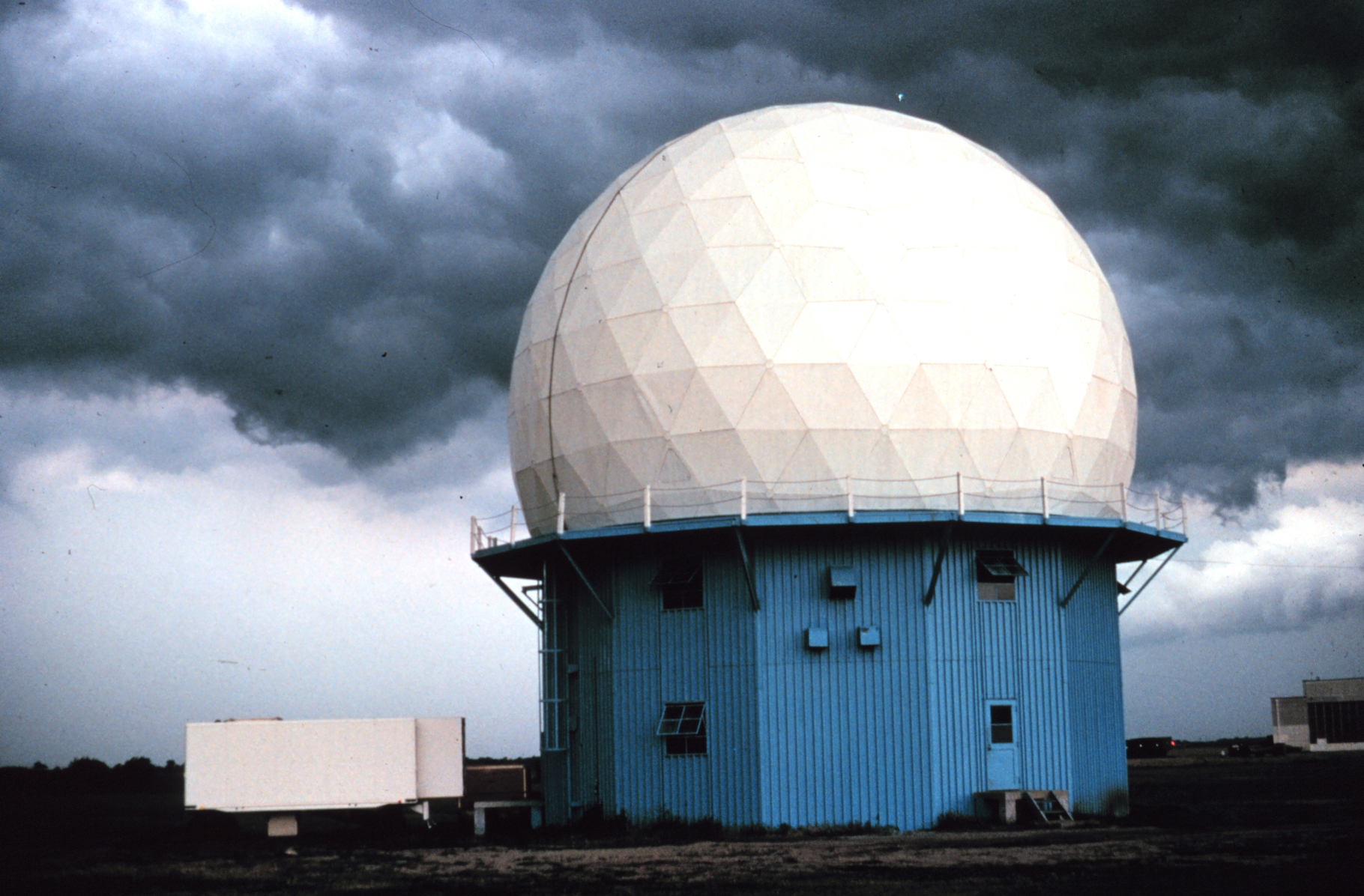
Weather radar captures rich four-dimensional atmospheric data, but legacy binary formats and fragmented archives make large-scale analysis painfully difficult. A modern, cloud-native data model could unlock radar's vast scientific potential.

Alfonso Ladino-Rincon

Data Scientist

Xarray for Biology

Xarray for Biology

Xarray's labeled, multidimensional data structures can solve common pain points in biological data analysis, from tracking microscopy metadata to managing complex genomic datasets. Adoption has been limited by awareness, technical rough edges, and lack of tool integration, but the community is actively working to change that.

Ian Hunt-Isaak
Ian Hunt-Isaak

Xarray Community Developer

Icechunk: Efficient storage of versioned array data

Icechunk: Efficient storage of versioned array data

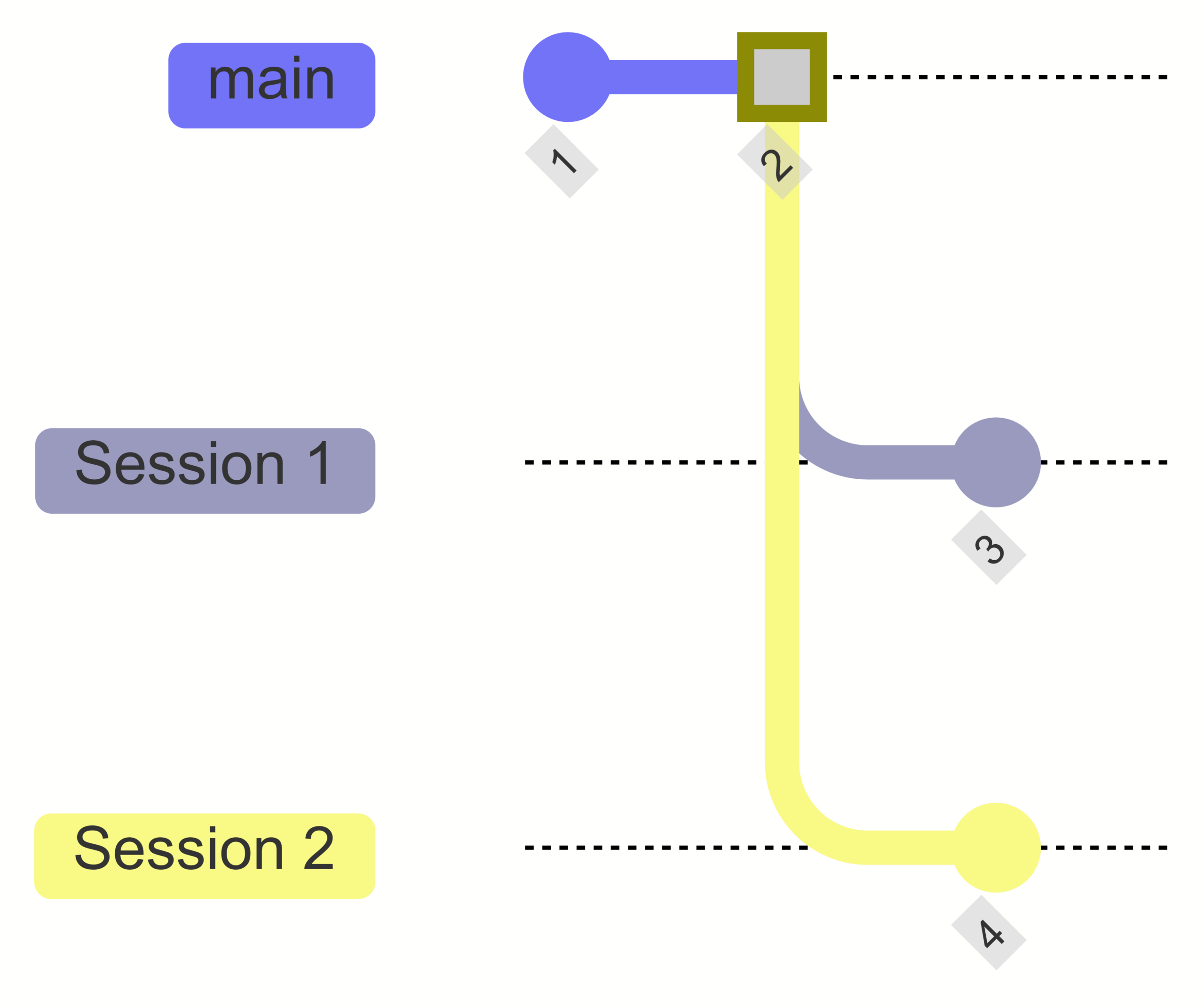
Icechunk stores versioned array data efficiently by never copying or rewriting existing chunks, so each new version only consumes storage for the data that actually changed. Older versions can be expired and garbage-collected when they are no longer needed.

Sebastian Galkin
Sebastian Galkin

Staff Engineer

TensorOps: Scientific Data Doesn't Have to Hurt

TensorOps: Scientific Data Doesn't Have to Hurt

Scientific data pipelines are plagued by data swamps, duplicated code, fragile workflows, and siloed teams. TensorOps is a vision for modern practices that bring collaboration, velocity, and reliability to scientific data engineering.

Brian Davis
Brian Davis

Software Engineer

Zarr takes Cloud-Native Geospatial by storm

Zarr takes Cloud-Native Geospatial by storm

At the 2025 Cloud-Native Geospatial conference, Zarr adoption was surging across the geospatial domain, with Copernicus Sentinel, USGS Landsat, Google Earth Engine, and ESRI ArcGIS all embracing the format for cloud-optimized array data.

Joe Hamman
Joe Hamman

CTO & Co-founder

Fundamentals: Tensors vs. Tables

Fundamentals: Tensors vs. Tables

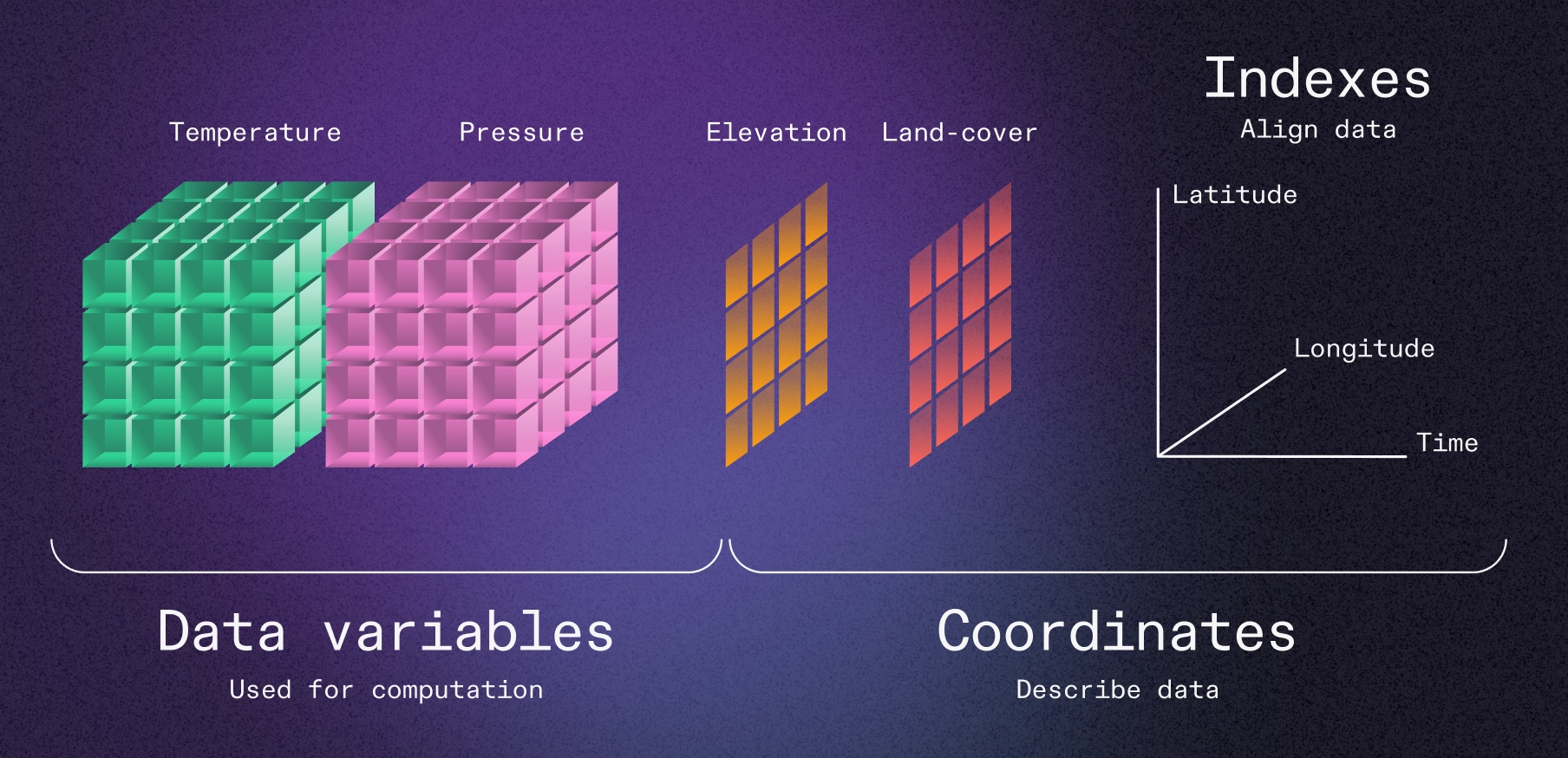
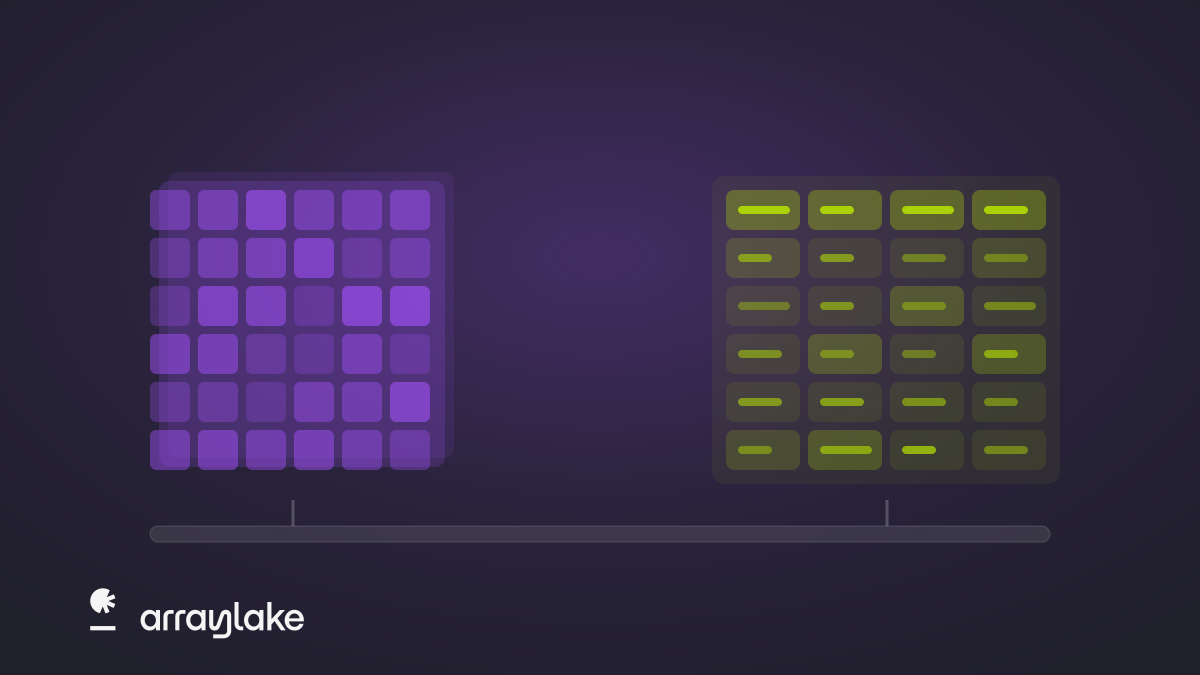
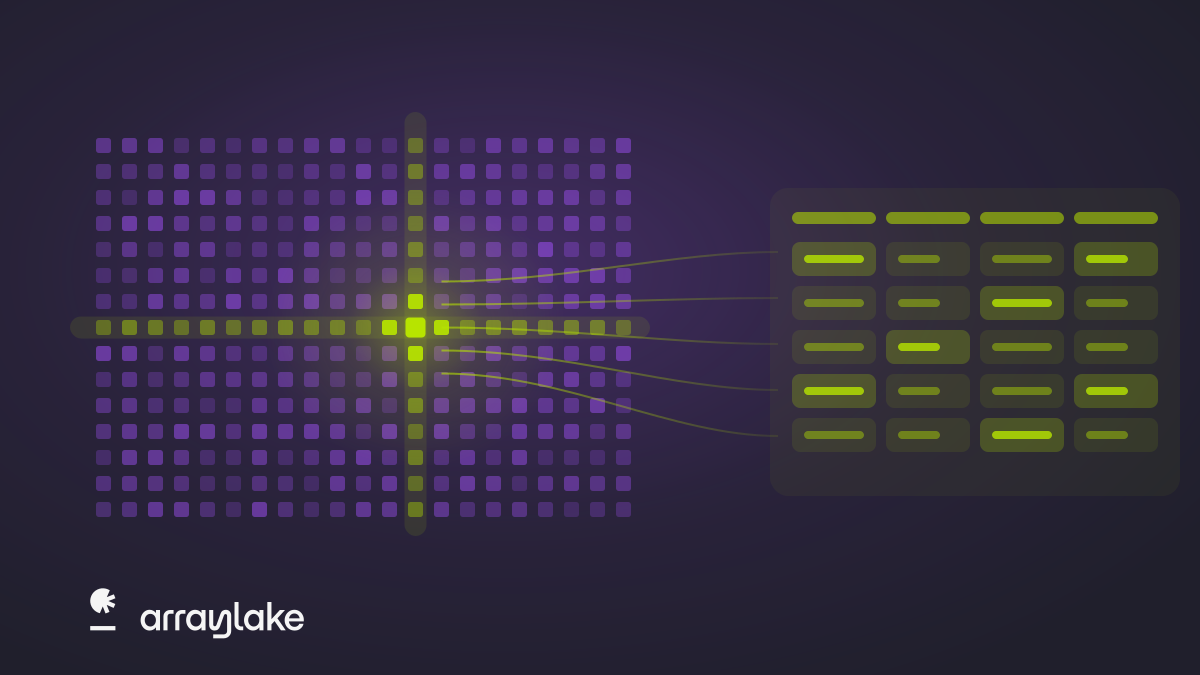
Multidimensional array data about the physical world is fundamentally incompatible with the tabular data model. Benchmarks show that array-native tools like Xarray and Zarr outperform DuckDB and Parquet by up to 10x for common weather data queries.

Ryan Abernathey
Ryan Abernathey

CEO & Co-founder

How Our Customers Use NOAA Data

How Our Customers Use NOAA Data

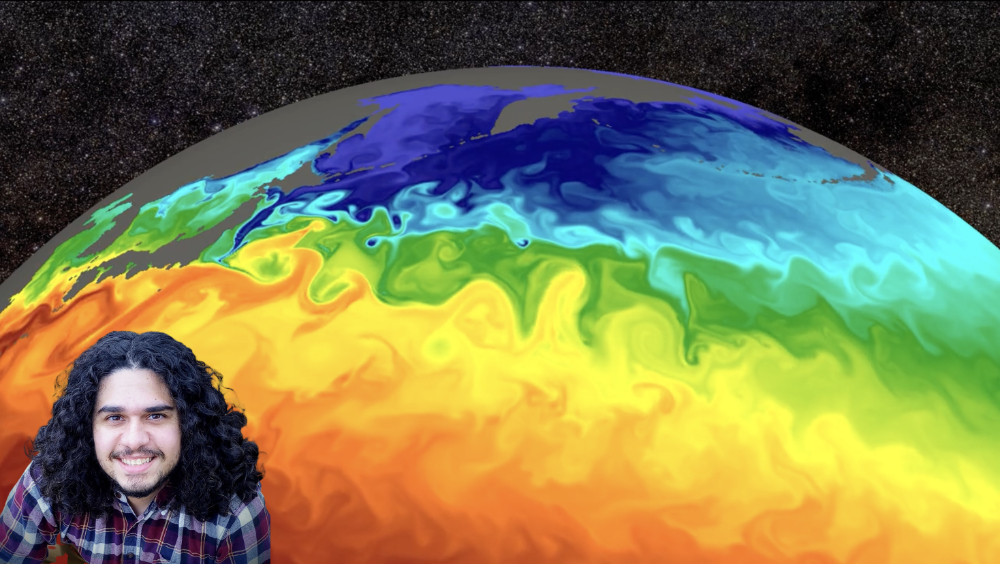
Earthmover customers share how NOAA climate and weather data powers their businesses, from wildfire risk modeling and energy trading to carbon market ratings and precipitation enhancement.

Ryan Abernathey
Ryan Abernathey

CEO & Co-founder

Accelerating Xarray with Zarr-Python 3

Accelerating Xarray with Zarr-Python 3

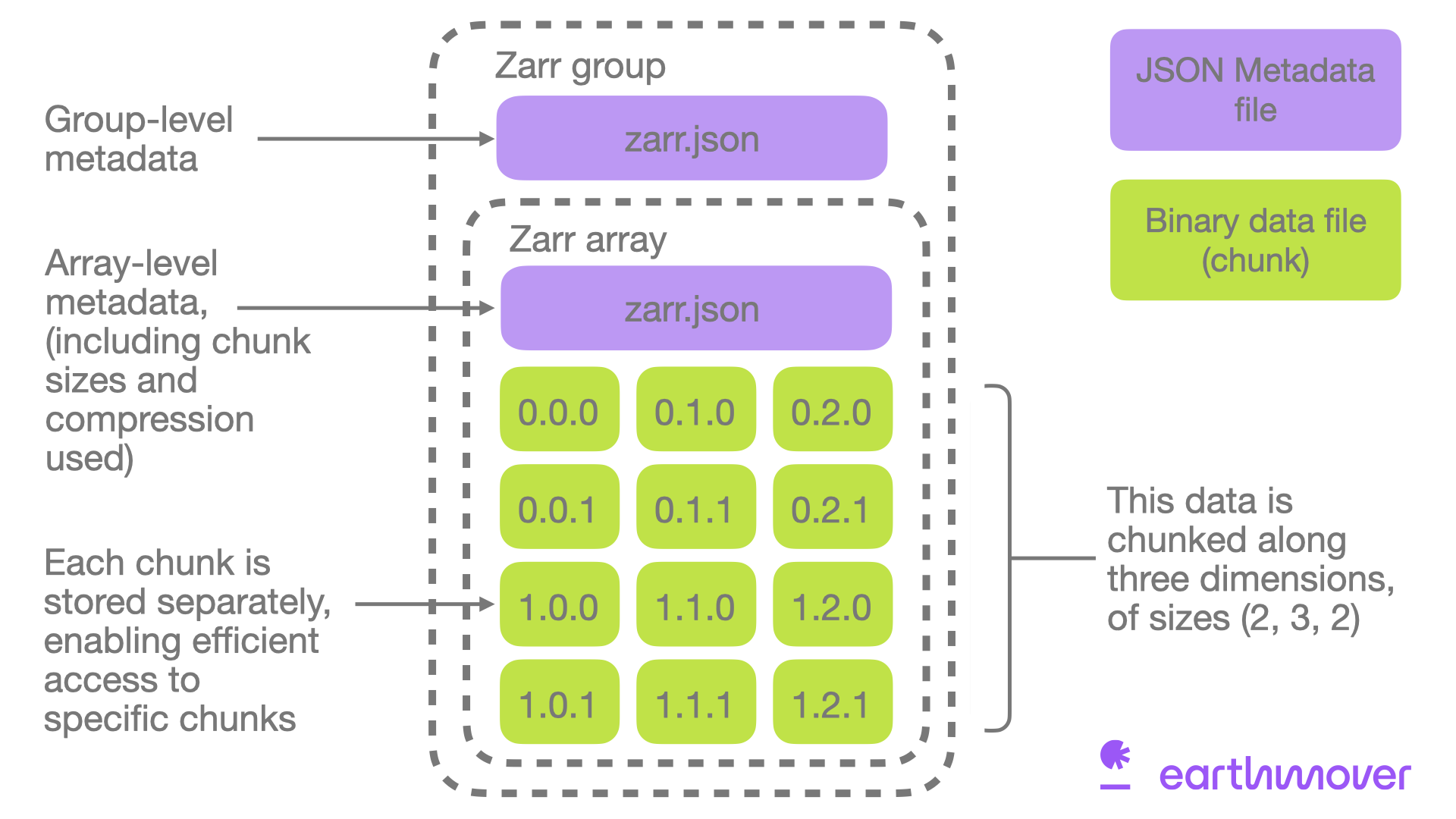
zarr-python’s performance paradox Last month, we released Zarr-Python 3.0 - a ground-up rewrite of the library (read more about it in this post). Beyond the exciting new features in Zarr V3, we put a lot of work into addressing some long standing performance issues with Zarr-Python 2. With the improvements described in this blog post, we’ve achieved a 14x speedup in loading the ARCO ERA5 dataset! Zarr-Python 2 had a paradoxical performance quirk; although the library could generate massive petabyte-scale datasets, it struggled to perform well when managing large or highly nested hierarchies. For example, listing the contents of a large Zarr group could be painfully slow, particularly if that Zarr group was stored on a high latency storage backend. Zarr users would experience this as long

Davis Bennet
Davis Bennet

Software Engineer

Vector data cubes in Xarray

Vector data cubes in Xarray

Vector data cubes extend the familiar raster data cube concept to geospatial vector data, using arrays indexed by geometries instead of gridded coordinates. The Xvec package brings this capability to Xarray, enabling powerful multidimensional analysis of point, line, and polygon data.

Emma Marshall
Emma Marshall

Software Engineer

Toward Zarr-Python 3.0

Toward Zarr-Python 3.0

The Zarr-Python project is undergoing a major refactor toward version 3.0, bringing full support for the Zarr V3 specification, new asynchronous APIs for better performance, and a modernized plugin system for codecs and storage backends.

Joe Hamman
Joe Hamman

CTO & Co-founder

Why we started Earthmover

Why we started Earthmover

Earthmover was founded to build a modern cloud data stack for scientific data, inspired by the success of the Pangeo open-source community and the urgent need for better tooling around multidimensional array datasets in climate tech and beyond.

Ryan Abernathey
Ryan Abernathey

CEO & Co-founder